History
Seaplane flight on the Baltic Sea
Discover the fascinating history of seaplane flying on the Baltic coast and its beginnings in Fahrensodde near Flensburg.
From the Baltic Sea to the present
History of water flight
The fascinating history of seaplane flying on the German Baltic coast goes back more than a century. A seaplane station was founded in Fahrensodde near Flensburg as early as 1917. The sheltered yet open location of the Flensburg Fjord offered ideal conditions for training and testing under a wide range of wind and weather conditions.
The location was recommended by aircraft designer Claude Dornier, among others, who emphasized the special nautical and meteorological conditions of the area. The fjord combines sheltered water areas with open areas where wind, waves and current conditions vary considerably – an ideal environment for training seaplane pilots.
Flensburg - A training area with special characteristics
To this day, the shape of the fjord makes it possible to reach very different training conditions within a few minutes’ flight:
offshore and onshore winds
Protected water areas and open areas
Different wave patterns and swell situations
Changing light and visibility conditions
The Flensburg Fjord therefore offers an exceptionally versatile training environment – from calm water to realistic open water conditions.
These special conditions have made Flensburg an ideal location for seaplane training for over 100 years.
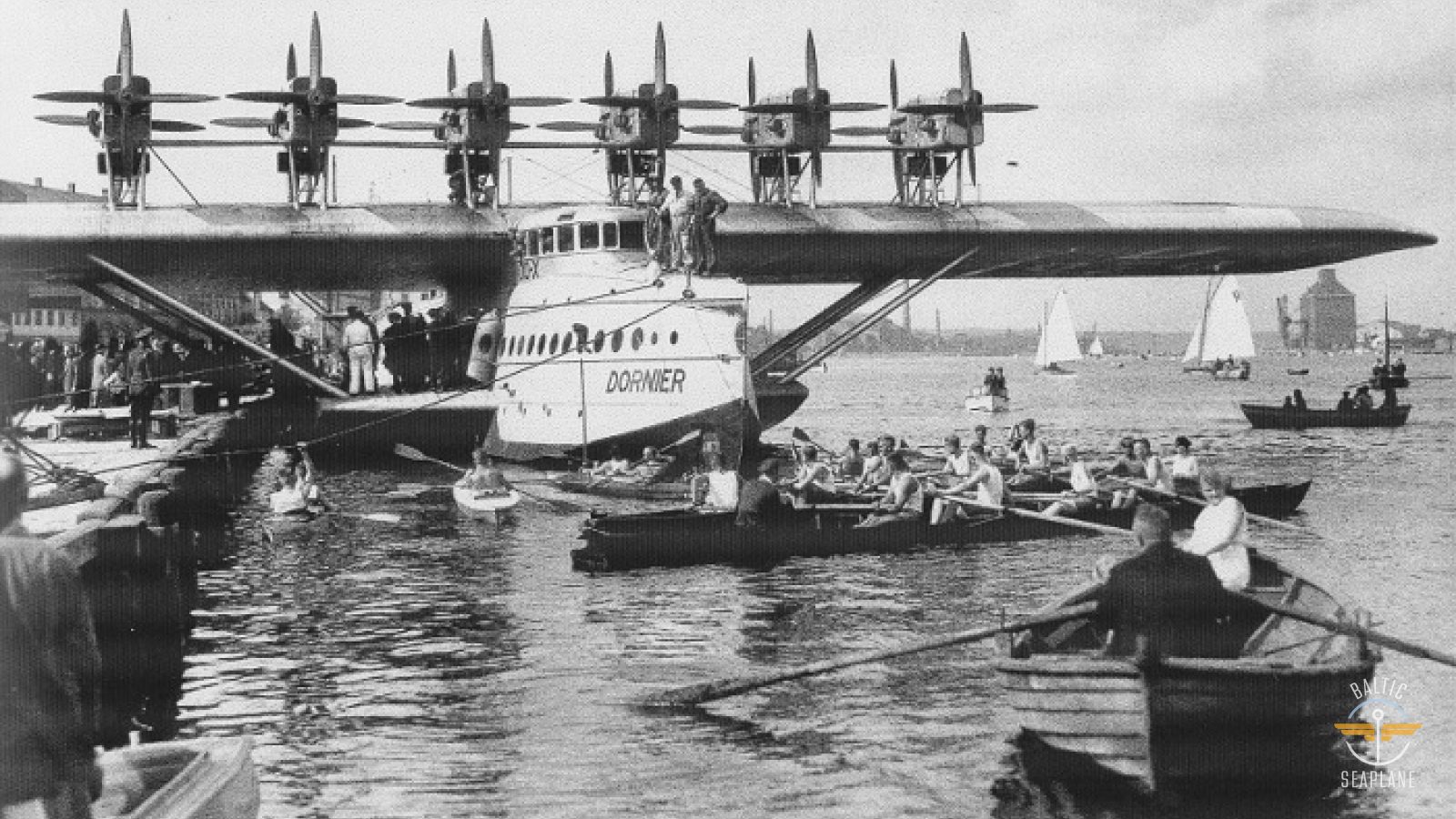
From historical location to modern continuation
Flight operations initially came to a standstill at the end of the First World War. After further interruptions due to the world wars and the temporary ban on flying, civil aviation in Germany was gradually rebuilt from 1956 onwards.
It was not until 2004 that Clipper Aviation began to re-establish seaplane flying in Flensburg. The Flensburg-Sonwik water landing site was created and permanently approved. This revived a tradition that had been interrupted for a long time.
In 2015, Baltic Seaplane GmbH took over the rights to the landing site and the seaplane activities in Flensburg. Not only was the infrastructure continued, but staff and expertise were also taken over. As the direct successor to Clipper Aviation, the seaplane site is still being operated and developed today.
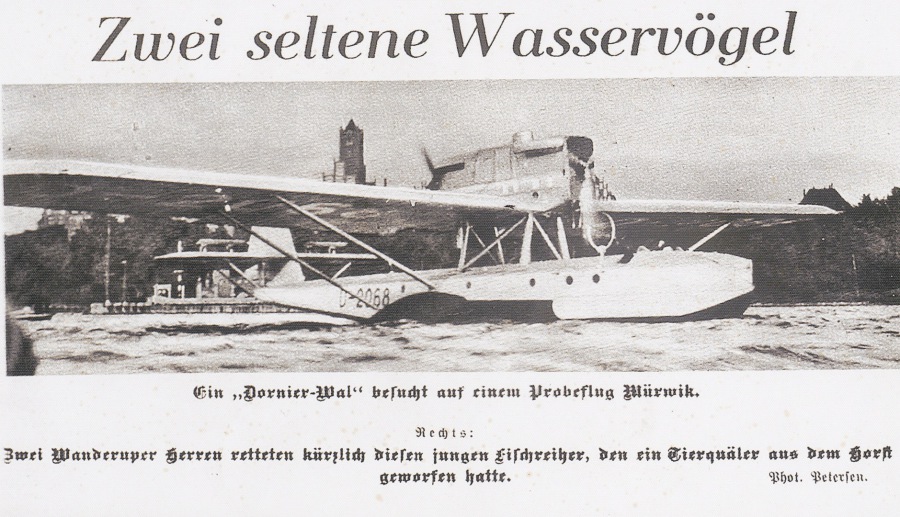
Flight operations initially came to a standstill at the end of the First World War. After further interruptions due to the world wars and the temporary ban on flying, civil aviation in Germany was gradually rebuilt from 1956 onwards.
It was not until 2004 that Clipper Aviation began to re-establish seaplane flying in Flensburg. The Flensburg-Sonwik water landing site was created and permanently approved. This revived a tradition that had been interrupted for a long time.
In 2015, Baltic Seaplane GmbH took over the rights to the landing site and the seaplane activities in Flensburg. Not only was the infrastructure continued, but staff and expertise were also taken over. As the direct successor to Clipper Aviation, the seaplane site is still being operated and developed today.
Historical locations along the Baltic coast - and today's flight operations
Historically, water aviation on the German Baltic coast has not been limited to Flensburg alone.
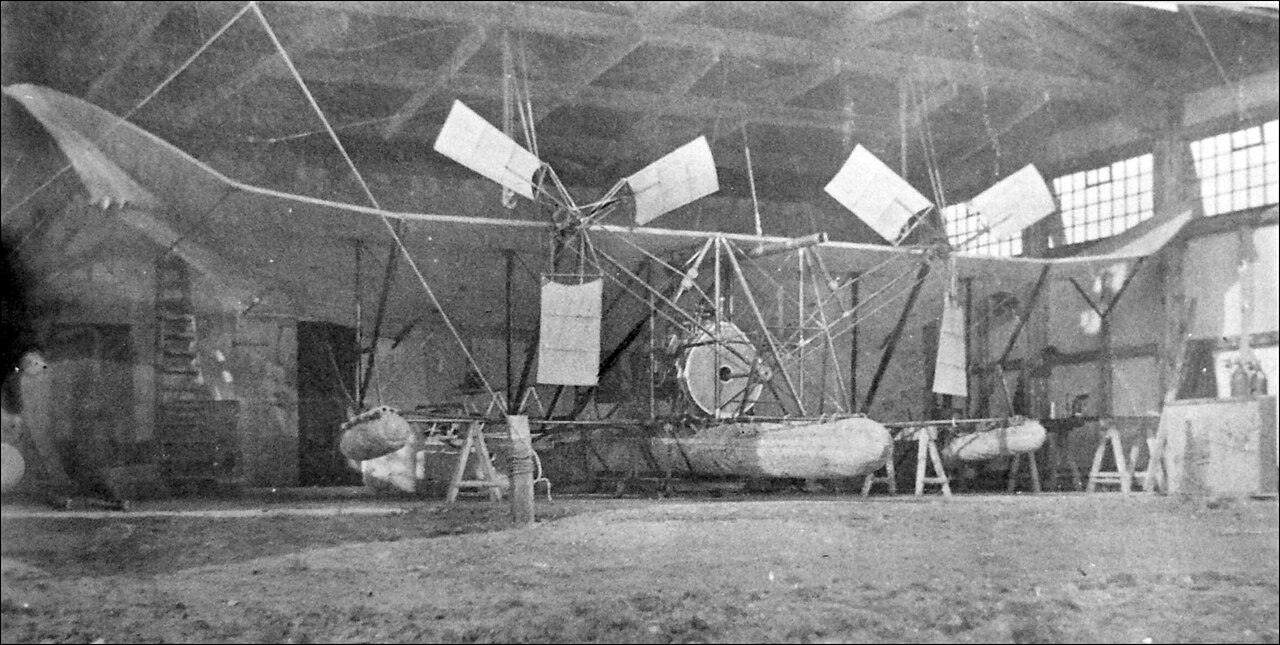
Plau by the lake
Early seaplanes were tested here as early as 1910. The region is one of the most important locations for early German seaplane development.
Baltic Seaplane GmbH still flies in Plau am See today, continuing this historical tradition.
Ribnitz - Damgarten
The Bodden waters around Ribnitz were closely associated with maritime aviation for decades. The combination of protected water areas and proximity to the open Baltic Sea offered favorable conditions for seaplane activities.
Today, Ribnitz is also one of the locations where Baltic Seaplane regularly operates.
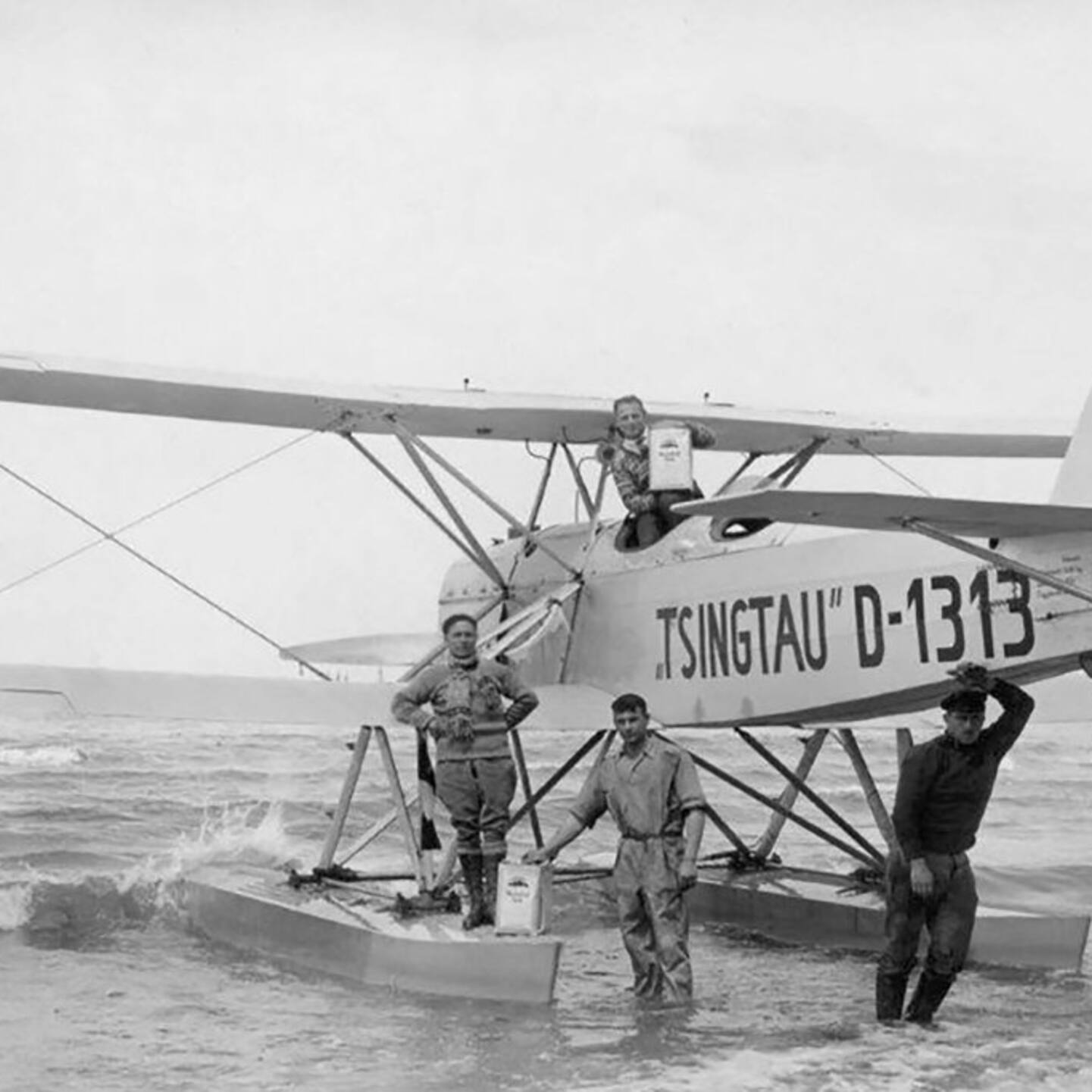
Heringsdorf
The coastal region around Heringsdorf and Usedom was also associated with the development of aviation at an early stage. Coastal and sea conditions played a special role here.
Baltic Seaplane is also continuing seaplane flight in a modern form here.
These locations show: The German Baltic coast has been an area of seaplane technology development for over 100 years – and is still an active operational area today.
Modern water aviation – history in transition
Today, Baltic Seaplane combines historical locations with modern technology and contemporary training.
Seaplane pilots are trained under real coastal and sea conditions – in an area that was recognized as ideal for this form of flying over a century ago.
From the Baltic Sea to Southeast Asia – history in the making
The history of seaplane flight does not end on the German coast.
In cooperation with international partners, Baltic Seaplane GmbH is currently supporting the development of modern seaplane operations in Thailand.
A new generation of commercial seaplane activities is emerging there – including structured training and regulatory integration.
What began on the Baltic Sea over 100 years ago is now being continued in other parts of the world.
In this way, seaplane history is not only preserved – but also written on.